
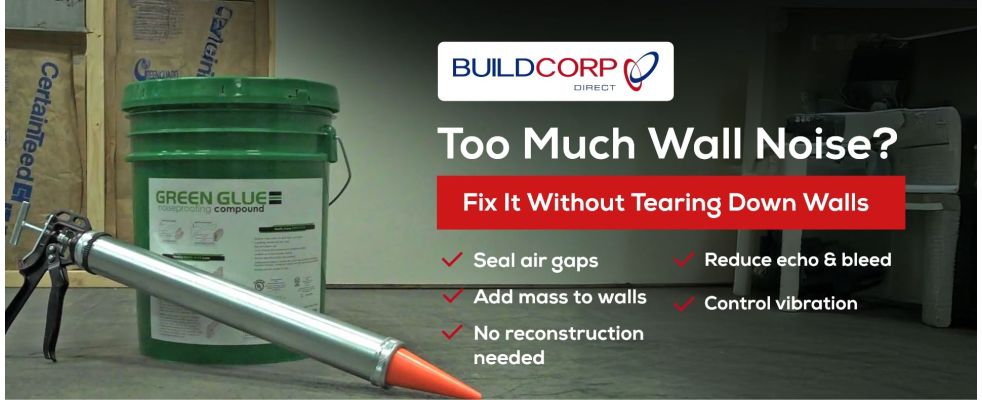
You can reduce noise through walls without rebuilding by sealing gaps, adding mass, and controlling vibration. Simple upgrades like acoustic sealant, sound-damping compounds, and soft furnishings can significantly improve sound isolation. These solutions work without removing drywall or changing wall structure.
Why Does Sound Travel Through Walls So Easily?
Sound travels through walls because of vibration and air gaps. When sound hits a wall, it vibrates the materials. That vibration passes through studs, drywall, and small openings.
Even well-built walls often have weak points. Outlets, seams, and framing gaps let sound leak through easily.
Stopping sound requires addressing both vibration and airflow.
Sound moves through walls due to vibration and small gaps in construction.
Can You Reduce Wall Noise Without Removing Drywall?
You can definitely reduce wall noise without removing drywall. Many effective sound control methods work on finished walls. You do not need to tear down drywall to improve noise reduction.
These methods focus on:
- Sealing air gaps
- Adding flexible damping
- Increasing surface mass
- Absorbing reflected soun
While full soundproofing requires construction, noticeable improvement does not.
You can reduce wall noise with surface-level upgrades and sealing methods.
How Much Difference Do Small Gaps and Cracks Really Make?
Small gaps make a big difference. Sound behaves like air. If air can pass through, sound can too.
Common problem areas include:
- Electrical outlets
- Baseboards and trim
- Wall-to-ceiling joints
- Window and door frames
- Cable and pipe penetrations
Sealing these gaps improves sound isolation quickly and affordably.
Even tiny gaps allow noise through and should be sealed first.
How Does Acoustic Sealant Help Reduce Noise Through Walls?
Acoustic sealant blocks sound by sealing gaps while staying flexible. Unlike standard caulk, it does not harden over time.
That flexibility allows it to absorb vibration. It also prevents cracks from reopening as buildings shift.
Best places to use acoustic sealant:
- Along baseboards
- At drywall seams
- Around electrical boxes
- Where walls meet ceilings
- Around window frames
This step alone can noticeably reduce sound leakage.
Acoustic sealant reduces noise by sealing gaps and absorbing vibration.
Can Adding Mass to a Wall Reduce Noise Without Rebuilding?
Adding mass to a wall will reduce noise. Sound loses energy when it hits heavier surfaces. Adding mass makes it harder for sound to pass through.
You can add mass without demolition by using surface-mounted solutions.
Mass-adding options include:
- Extra drywall layers
- Sound-damping compounds between layers
- Dense wall panels
- Mass-loaded vinyl behind panels
Even one added layer can reduce noise transfer.
Adding surface mass helps block sound without removing existing walls.
How Does Sound-Damping Compound Reduce Wall Noise?
Sound-damping compound works by converting vibration into heat. It sits between two rigid layers, such as drywall sheets.
When sound vibrates the wall, the compound absorbs energy. This reduces how much vibration passes through.
Key points to remember:
- It is not an adhesive
- It works best between layers
- Uneven application is intentional
- It complements added mass
This method is effective for walls shared between rooms.
Sound-damping compound reduces vibration between wall layers.
Do Soft Materials Help Reduce Noise Through Walls?
Soft materials do assist in reducing noise, but they work differently. Soft materials absorb reflected sound, not structural vibration.
They improve room acoustics and reduce echo. While they do not stop all noise transfer, they help reduce perceived loudness.
Helpful soft materials include:
- Wall-mounted acoustic panels
- Thick curtains or drapes
- Upholstered furniture
- Area rugs and tapestries
These are best used alongside sealing and mass improvements.
Soft materials reduce echo and perceived noise but work best with other methods such as sealing and mass improvements.
What Combination of Solutions Works Best Without Rebuilding?
The best results come from layering multiple approaches. Each method addresses a different sound path.
Effective Combination Strategy:
- Seal all gaps with acoustic sealant
- Add mass using extra drywall or panels
- Use sound-damping compound between layers
- Improve room acoustics with soft materials
This approach balances cost, effort, and performance.
Combining sealing, mass, and damping delivers the strongest sound reduction results.
What Results Should You Expect Without Full Reconstruction?
You should expect noticeable improvement, but not total silence. These methods reduce sound transmission but do not create full soundproofing.
Most people notice:
- Less conversation noise
- Reduced TV and music bleed
- Fewer sharp or high-frequency sounds
Results vary based on wall type and noise source.
Surface-level upgrades reduce noise but do not eliminate it completely.
Is Reducing Wall Noise Without Rebuilding Worth It?
Reducing noise through walls without rebuilding is practical and effective. By sealing gaps, adding mass, and damping vibration, you can significantly improve comfort. These upgrades work well for homes, offices, and shared spaces.
If you’re ready to reduce noise without major construction, Buildcorp Direct offers professional-grade acoustic sealants, sound-damping compounds, and noise-control materials. Visit the Buildcorp Direct website or product catalog to find the right solution for your project and start improving sound isolation today.


