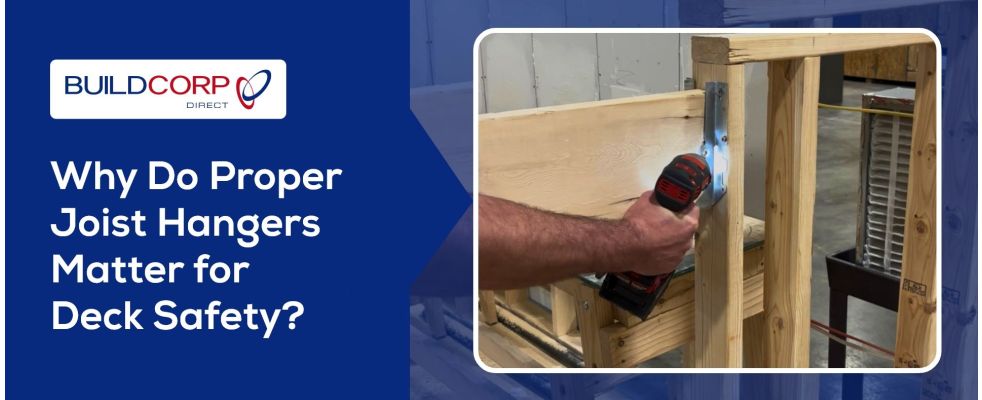
Joist hangers play a critical role in deck safety by supporting structural loads and securing framing connections. Incorrect or low-quality hardware can weaken the deck structure and increase the risk of failure. Using reliable connectors like the LUS210Z 2x10 Face Mount Hanger ZMAX from Buildcorp Direct helps contractors create stronger, longer-lasting deck systems.
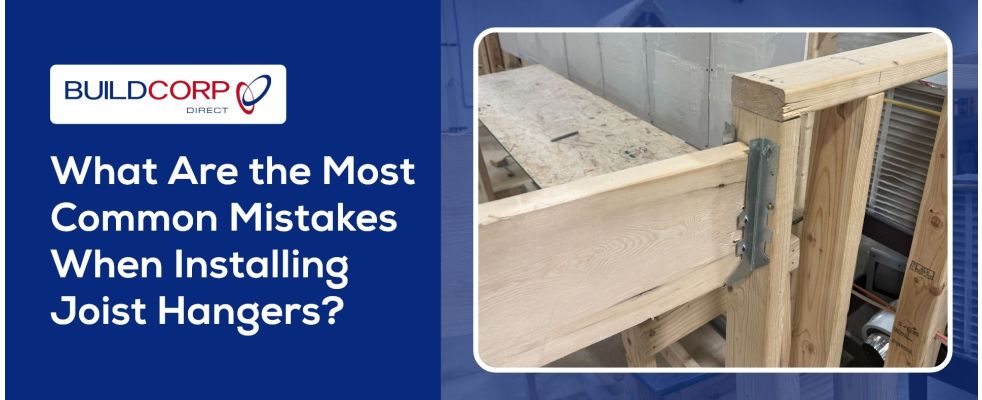
Incorrect joist hanger installation can compromise structural strength and create long-term framing problems. Common mistakes include using the wrong fasteners, improper alignment, and incomplete fastening patterns.
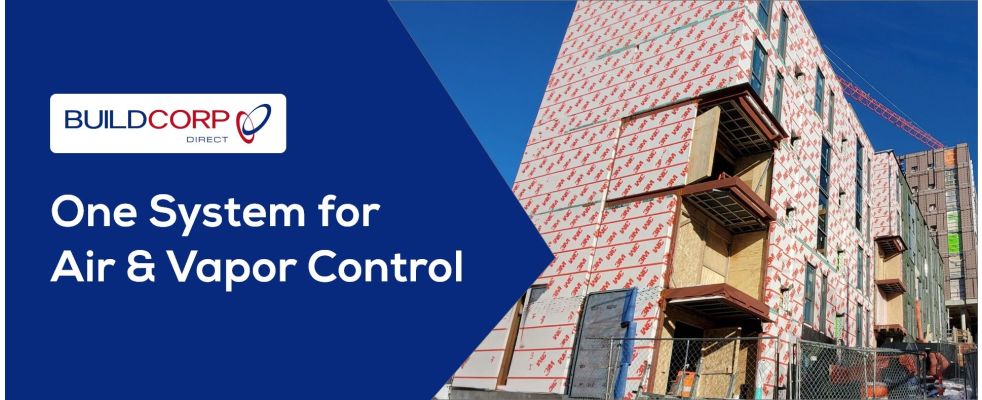
Air barriers stop uncontrolled airflow, while vapor barriers control moisture movement through materials. Contractors often use integrated solutions like 3M Air and Vapor Barrier 3015NP, a single self-adhered membrane designed to control both air leakage and moisture in one application.
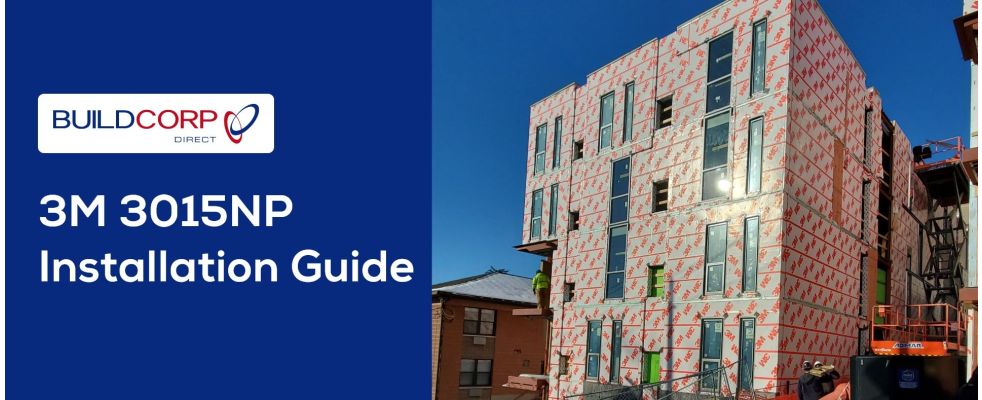
3M Air and Vapor Barrier 3015NP is a self-adhered membrane used to control airflow and moisture in commercial buildings. Contractors can install it by preparing the surface, applying the membrane, sealing joints, and ensuring full continuity. Available through Buildcorp Direct, it provides a reliable, high-performance solution for building envelope systems.
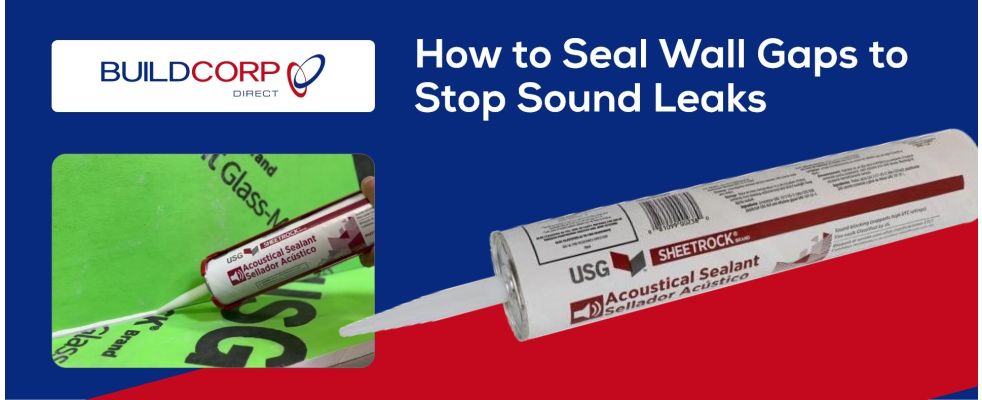
Sound leaks through small gaps in walls, even in well-built spaces. Sealing these gaps with acoustic sealant is one of the easiest ways to reduce noise transfer. Using a product like the USG Acoustical Sealant 29oz Tube at Buildcorp Direct helps block sound while staying flexible over time.
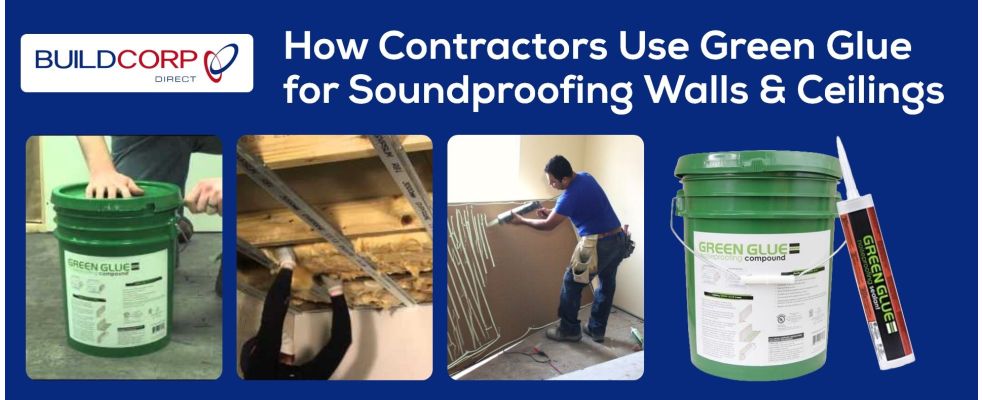
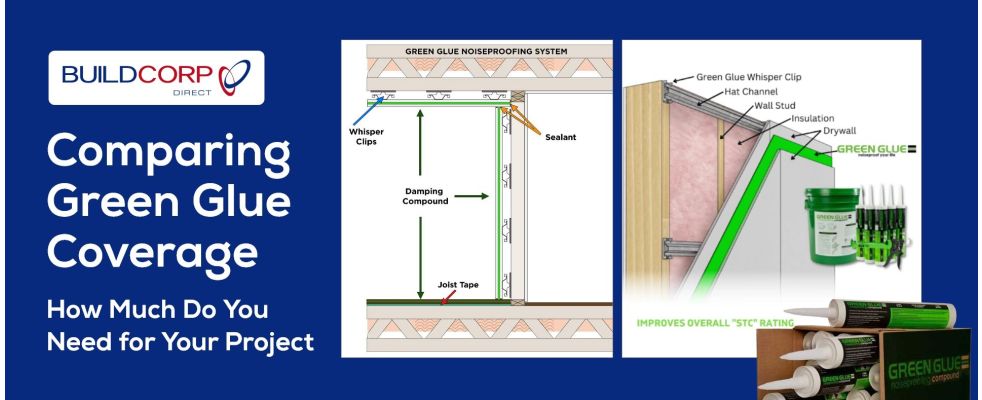
Contractors use Green Glue between drywall layers to reduce sound transfer by damping vibration. They combine it with acoustic sealant to block air gaps and improve overall soundproofing. This system delivers reliable noise reduction without major structural changes.
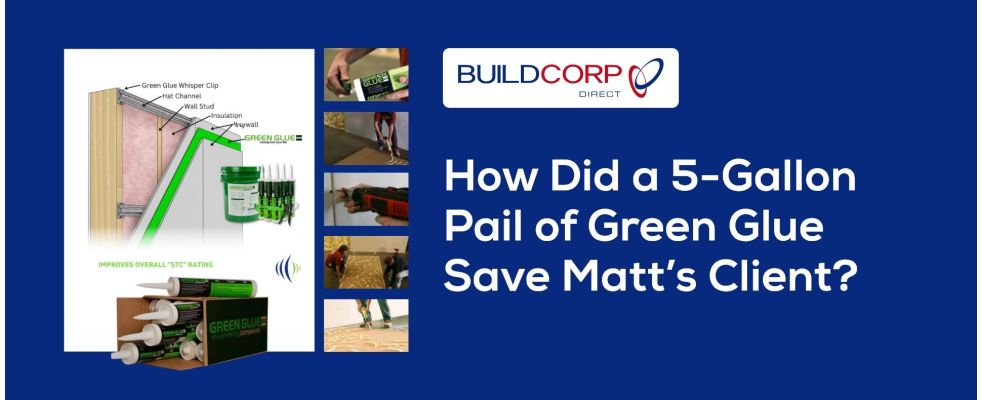
Matt works in construction. He’s the kind of contractor who gets most of his work from referrals, not ads. That means one unhappy client can undo years of trust. This job almost did.
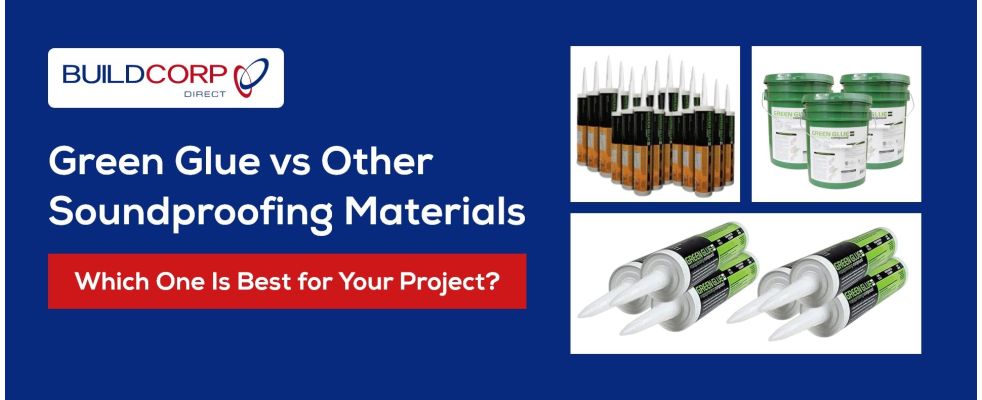
Green Glue is best for reducing sound transmission by controlling vibration between rigid surfaces. Other soundproofing materials serve different purposes, such as absorbing echo or blocking airborne noise. The best solution depends on your noise source, structure, and soundproofing goals.
Green Glue coverage depends on surface area, number of layers, and sound isolation goals. Most projects use two tubes per 4x8 drywall sheet or the equivalent volume from a 5-gallon pail. Planning coverage correctly ensures effective sound damping without wasted material.
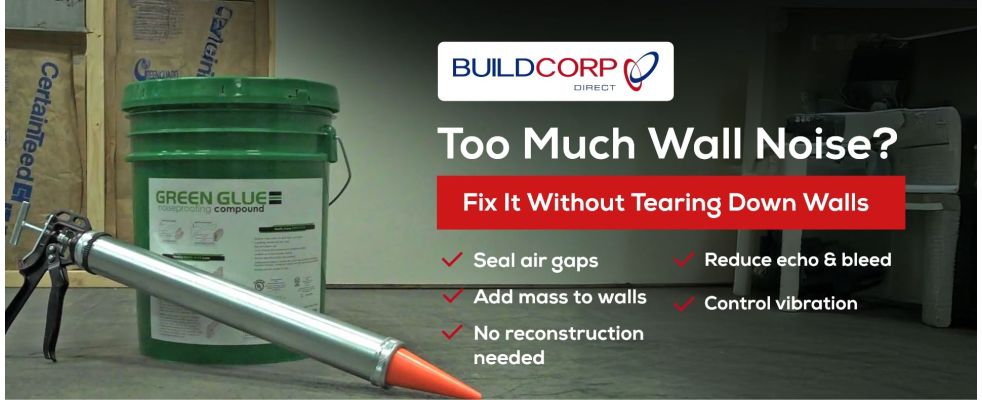
You can reduce noise through walls without rebuilding by sealing gaps, adding mass, and controlling vibration. Simple upgrades like acoustic sealant, sound-damping compounds, and soft furnishings can significantly improve sound isolation. These solutions work without removing drywall or changing wall structure.